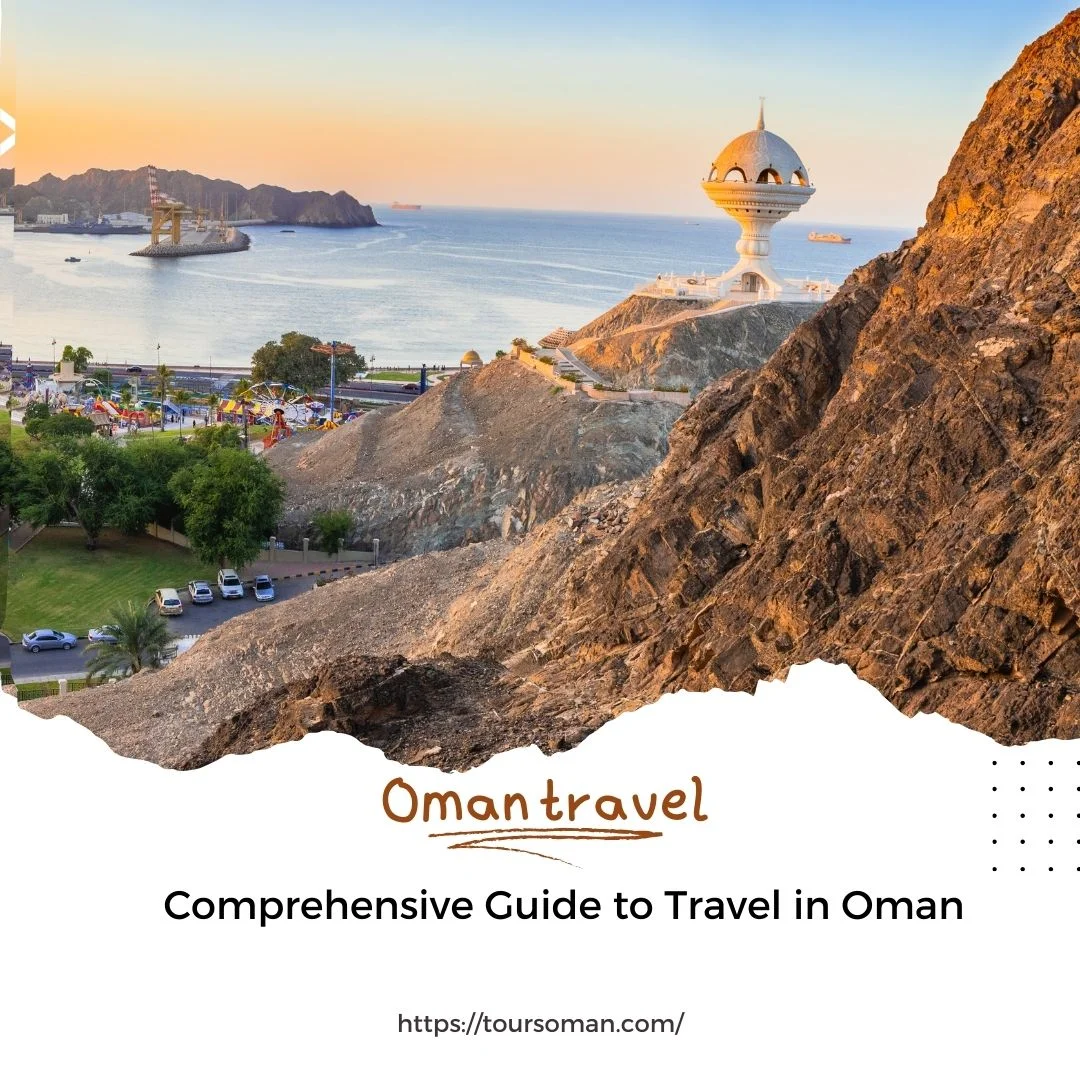

Caves in Oman: Discover an Amazing World Beneath the Mountains
Oman is famous for its golden deserts, dramatic mountains, beautiful beaches, and traditional villages. But there is another side of the country that many travelers overlook: the fascinating world beneath its rocky landscape.
The caves in Oman offer a very different kind of adventure. Some contain impressive limestone formations and underground lakes, while others are hidden inside remote mountain areas and require special equipment or expert guidance.
If you are planning a holiday and wondering which caves are worth visiting, the most important question is not simply which cave is the biggest. It is which cave suits your travel plans, fitness level, available time, and appetite for adventure.
For most first-time visitors, Al Hoota Cave is an excellent starting point because it has a developed visitor route and guided access. More experienced adventurers may be interested in wild caves such as Majlis Al Jinn, but these require much more preparation.
At ToursOman, you can explore our Oman tours to plan a wider trip around the country’s mountains, valleys, historic towns, and natural attractions.
Ready to plan your trip? Start by comparing the caves below, then choose an itinerary that fits your schedule rather than trying to visit every cave in one day.
H2: Why Visit the Caves in Oman?

Discover Oman’s underground landscapes
Oman’s caves are more than dark spaces inside mountains. They reveal how water, rock, and time have shaped the country’s landscape.
Here is why they deserve a place on your itinerary. 🇴🇲✨
- 🪨 See natural rock formations: Discover hanging mineral formations, stone columns, and underground chambers.
- 🏞️ Experience a different side of Oman: Escape the usual sightseeing route and explore the country’s hidden natural wonders.
- 🔬 Learn about geology: Discover how water slowly creates caves and shapes limestone over thousands of years.
- 📸 Add variety to your holiday: Combine a cave visit with mountain views, a traditional village, or a trip to Nizwa.
- 🧗 Choose your adventure level: Enjoy a developed visitor attraction or explore options for a more challenging caving experience.
One practical point matters: not every cave is a tourist attraction. Some are difficult to reach, have uneven surfaces, or need specialist equipment and permission.
Choosing the right location in advance helps prevent wasted travel time and unexpected costs.
H2: The Best Caves in Oman to Explore
The following caves and cave systems offer different experiences. Their accessibility, facilities, and suitability for ordinary visitors are not the same, so check the current arrangements before traveling.
H3: Al Hoota Cave

Explore the underground world
Best for: First-time cave visitors, families, nature lovers, and travelers exploring the Nizwa region.
Al Hoota Cave is one of Oman’s best-known cave attractions. It is located near Al Hamra in Al Dakhiliyah Governorate, close to the mountain landscape around Jabal Shams.
Inside, visitors can see limestone formations, underground water, and unusual cave wildlife. The site is particularly known for its blind cave fish, which have adapted to life in darkness.
The developed visitor experience makes Al Hoota a more practical choice than remote wild caves. The official visitor information describes a guided route and facilities intended to help visitors explore the cave.
🦇 What to Expect
- 🧭 A guided visit through developed sections of the cave.
- 🪨 Natural rock formations shaped over thousands of years.
- 🌑 An underground environment that feels very different from the dry landscape outside.
- 🏛️ Visitor facilities that may include a visitor center and other amenities, depending on current operations.
How much time should you allow?
Allow approximately 1–2 hours for the cave visit and arrival arrangements. Add extra time if you plan to explore nearby villages or other attractions.
Who should choose Al Hoota Cave?
Choose it if you want cave experience without planning a technical expedition. It is also a useful option for travelers who want to combine nature with a wider day trip around Al Hamra and Nizwa.
Booking tips: Confirm opening hours, available entry times, ticket prices, and transport before setting off. Do not assume that admission to the cave is automatically included in a sightseeing package.
Explore Oman tour options to plan a trip around the region.
H3: Majlis Al Jinn Cave

Discover Oman’s remarkable cave systems
Best for: Experienced cavers, specialist adventure groups, and travelers researching advanced underground exploration.
Majlis Al Jinn is famous for its enormous underground chamber and dramatic openings in the rock above. The scale of the space makes it one of Oman’s most remarkable cave features.
However, this is not the same type of experience as visiting a developed tourist cave.
Access to the main chamber involves demanding technical arrangements, and entering through the roof can enquire rope skills, specialist equipment, and qualified supervision. An official government permit service is available for entry.
⚠️ Before Considering This Cave
- 📋 Confirm the current permit requirements.
- 🧗 Arrange access through a qualified and authorized team.
- 🪖 Check the required equipment, experience, and physical fitness level.
- 🚫 Never attempt a descent using improvised ropes or equipment.
- 🎟️ Do not assume that a standard sightseeing tour includes cave entry.
For most holidaymakers, Majlis Al Jinn is better treated as a specialist adventure to research carefully rather than a spontaneous stop.
If you want dramatic mountain scenery without a technical descent, consider exploring a guided Jebel Shams tour instead.
H3: Muqal Cave

Explore Oman’s rugged caves
Best for: Independent-minded nature lovers and travelers exploring Wadi Bani Khalid.
Muqal Cave is associated with Wadi Bani Khalid, a popular destination known for its rocky scenery and natural pools. The cave offers a more rugged experience than a developed attraction with a visitor center and built pathways.
Inside the cave, the rock formations and dark passages create a sense of discovery. However, conditions can vary, and a visit should not be treated as a simple walk through a managed tourist site.
⚠️ What to Consider Before Visiting
- 🔦 Bring a reliable torch: Carry spare batteries, especially when exploring wild caves.
- 🥾 Wear suitable footwear: Choose shoes with good grip to help prevent slipping on rocky or wet surfaces.
- 🌦️ Check weather and water conditions: Rain and changing water levels can make some cave approaches dangerous.
- 🚫 Stay within your limits: Avoid entering passages you cannot safely assess.
- 🧭 Ask a knowledgeable local guide: Confirm the route, access conditions, and any safety requirements before setting off.
Muqal Cave may appeal to travelers who already plan to explore the wadi. If this is your first trip to Oman, arrange the wider journey first and confirm the cave’s current accessibility rather than assuming it will be suitable for every member of your group.
For a wider nature itinerary, browse Oman holiday packages.
H3: The Salmah Plateau Cave System

A deeper adventure beneath the mountains
Best for: Experienced cavers and specialist exploration groups.
The Salmah Plateau in the Eastern Hajar Mountains contains an extensive cave system. Oman’s official tourism activity guide describes a network with around 11.5 kilometers of passages and entrances that can involve descents of more than 100 meters. These figures refer to the cave system, not to a route that ordinary visitors should attempt.
This area is attractive to people interested in serious caving, but its remote setting makes planning essential.
🧗 A Trip May Require:
- 🗺️ Specialist knowledge: Understand cave routes and underground navigation.
- 🪢 Proper equipment: Use suitable climbing gear, ropes, and safety equipment.
- 🧑🏫 Experienced leaders: Travel with qualified leaders and a clear emergency plan.
- 📋 Access confirmation: Check permits, entry rules, and current conditions in advance.
- ⏳ Enough time: Allow sufficient time for travel, preparation, and the planned activity.
For a conventional holiday, the Salmah Plateau is best understood as a specialist destination. Do not book a general mountain excursion expecting it to include entry into the cave system.
H3: Other Wild Caves in Oman
Oman has other caves and natural openings in its mountain ranges. Some are known mainly to local explorers, while others may contain fragile formations, archaeological remains, or signs of past human activity.
The attraction is their sense of discovery, but their condition is also a reason to take care.
⚠️ Before Visiting an Unfamiliar Cave
- 📍 Verify the location: Confirm the exact location and whether access is permitted.
- 🧭 Seek local guidance: Ask about current safety conditions and the recommended route.
- 🪨 Protect natural formations: Avoid touching delicate formations or removing stones.
- 🏺 Respect historical remains: Leave any historical objects where you find them.
- 📸 Check before you go: Never assume a cave shown in an online photograph is open to visitors.
For travelers who value natural scenery but prefer a more predictable day out, a guided mountain or valley excursion may be a better choice than searching for an unmarked cave.
H2: Which Oman Cave Should You Visit?

Plan your cave adventure
The best choice depends on your experience, who is traveling with you, and how much time you have.
| 🪨 Cave or cave system | 👥 Best suited for | 📋 Expected planning level | ⏱️ Suggested time |
| 🦇 Al Hoota Cave | 👨👩👧👦 First-time visitors and families | 🎟️ Book or confirm a guided visitor experience | ⏱️ 1–2 hours |
| 🧗 Majlis Al Jinn | 🥾 Experienced adventure groups | ⚠️ High; permits and specialist arrangements | 🗺️ Depends on the authorised expedition |
| 💧 Muqal Cave | 🌿 Nature lovers visiting Wadi Bani Khalid | 🧭 Check access and local conditions | ⏳ Allow extra time within your wadi visit |
| ⛰️ Salmah Plateau cave system | 🧗♂️ Specialist cavers | 🪢 High; technical planning required | ⏳ Depends on the route and expedition |
| 🔦 Other wild caves | 🧭 Experienced explorers | 📋 Varies; verify before departure | 🌦️ Depends on access and conditions |
Time estimates are planning suggestions, not guaranteed visit duration. Confirm current entry arrangements directly before travel.
🧭 Which Cave Is Best for Your Travel Style?
- 👨👩👧👦 Traveling with children? Start by checking Al Hoota Cave’s current visitor rules and whether the route suits your family.
- 🗓️ Visiting Oman for only a few days? Choose a developed attraction that fits naturally into your existing itinerary.
- 🧗 Looking for an adventure? Ask a specialist operator about the training and equipment required before considering a wild cave.
- 📸 Interested in photography and geology? Al Hoota offers a more structured opportunity to observe underground formations.
- ⛰️ Planning a mountain holiday? Combine suitable sightseeing stops with a Muscat day tours.
The key is to choose an experience you can enjoy comfortably, rather than the most difficult cave you can find.
H2: How to Plan a Cave Visit in Oman
Good planning makes the difference between an enjoyable underground experience and a stressful day of unexpected travel arrangements.
- Choose your starting point
Decide whether you will be traveling from Muscat, staying near Nizwa, or exploring the Eastern Hajar Mountains.
Al Hoota Cave is near Al Hamra, making it a natural addition to a wider trip around the interior of Oman. Other cave systems may involve much more demanding travel and access arrangements.
If you are arriving in Muscat, explore the available Muscat day tours and ask whether your preferred cave can reasonably be included in your itinerary.
- Allow enough time
Do not plan your day around the cave visit alone. Include the drive, check-in, any waiting time, meals, and other stops.
⏱️ A Useful Approach Is to:
- 🦇 Allow 1–2 hours for a developed cave attraction such as Al Hoota, subject to current arrangements.
- 🚗 Allow extra travel time for mountain roads and nearby sightseeing.
- 🧗 Plan a separate specialist itinerary for technical caving that requires special equipment and preparation.
- ✈️ Avoid tight airport connections immediately after a remote adventure in case of unexpected delays.
- Check what your booking includes
Before paying for a tour, ask the operator to confirm the following.
| 📋 Booking detail | ❓ What you should ask |
| 🚗 Transport | Is hotel pickup included, or must you reach the meeting point? |
| 🎟️ Entry fees | Are cave tickets included in the quoted price? |
| 🧭 Guide | Is a guide provided for the cave itself or only for the drive? |
| ⏱️ Duration | How long is the full trip, including transport? |
| 🍽️ Food and drinks | Is lunch included, or should you bring your own? |
| 👥 Group size | Is the trip private or shared with other travelers? |
| 🔄 Cancellation | What are the cancellation and refund conditions? |
| 📅 Access | Is the cave open and suitable for your planned date? |
These questions help you compare packages fairly. A lower advertised price may not include admission, meals, transport, or a guide.
- Choose the right season
For most visitors, the cooler months from autumn through spring are comfortable for exploring Oman’s mountain regions. However, conditions inside a cave can differ from the weather outside, and seasonal temperatures do not guarantee safe access.
Before departure, check local weather, road conditions, and any warnings that may affect your chosen destination.
If you want to discover other landscapes during the same trip, read our guide to the best places to visit in Oman .
- Book ahead when arrangements are limited
A developed cave attraction may have visitor schedules, ticket limits, or temporary closures. Specialist caves may have additional access requirements.
Confirm availability before arranging transport or paying for other parts of your trip. Ask for written confirmation of inclusions and cancellation conditions.
Planning your holiday now? Browse Oman packages or contact ToursOman to discuss the itinerary you have in mind.
H2: Combine Cave Visits with Oman Tours
A cave visit can be much more rewarding when it is part of a well-planned journey through Oman’s landscapes and towns.
Rather than spending hours driving to one attraction and returning immediately, consider building a day around the surrounding region.
H3: Suggested itinerary: Al Hoota Cave and the Nizwa region

Make your Oman trip memorable
This is a suggested itinerary, not a confirmed ToursOman package. The final order should depend on opening hours, driving conditions, and the time available.
Morning — Al Hoota Cave
Allow time for arrival, entry arrangements, and the guided visit.
Late morning — Al Hamra
Explore the traditional village if access, weather, and your schedule allow.
Afternoon — Nizwa
Visit the historic town and its fort if opening hours fit your plans.
For broader itinerary options, explore Best Oman Tours and Holidays and the best things to do in Nizwa.
If you prefer to have transport and sightseeing arranged together, browse Oman tours and ask which available option best matches your dates. Confirm whether cave admission is included before booking.
H2: How much should you budget?
The total cost depends on your chosen cave, transport, admission fees, guide arrangements, group size, and any additional stops.
Rather than giving one price that may not apply to your trip, use this checklist: 💰
- 🎟️ Cave admission or permit fees: Check whether entry tickets or special permits are included.
- 🚗 Transport: Compare private and shared transport options.
- 🧭 Guide and equipment: Confirm guide fees and any required specialist equipment.
- 🍽️ Meals and activities: Check the cost of meals, drinks, and additional activities.
- 🧾 Extra charges: Ask about any additional fees before confirming your booking.
For a developed attraction, verify the current ticket price through the official visitor website. For technical caving, request a detailed quote covering the required safety arrangements.
H2: Safety Tips for Cave Exploration

Explore responsibly and safely
Caves can be fascinating, but darkness, uneven ground, slippery surfaces, falling rocks, and sudden changes in conditions can create serious risks.
⚠️ Keep These Practical Safety Rules in Mind
- 🧭 Use the right guide: Choose a qualified guide or specialist team suited to the type of cave.
- 🥾 Wear suitable footwear: Choose shoes with good grips instead of sandals or smooth-soled footwear.
- 🔦 Bring proper lighting: Wild caves may require reliable torches, spare batteries, and specialist equipment.
- 🚫 Stay on authorized routes: Never enter closed areas or passages beyond your ability.
- 🌦️ Check weather and water conditions: Rain can make some valleys and caves approaches dangerous.
- 🌿 Protect the environment: Do not damage rock formations, leave litter, disturb wildlife, or remove natural or historical objects.
- 💪 Know your fitness limits: Technical caving is not suitable for everyone, and a standard sightseeing guide cannot replace a trained caving leader.
Visitors with mobility concerns should check the route in advance, particularly where steps, uneven paths, or slippery surfaces are present.
For caves requiring permits or specialist access, verify the current rules with the relevant authorities. The official Majlis Al Jinn permit service is an example of why access should never be assumed.
H2: Why Book with a Local Oman Tour Operator?
Planning a trip around Oman can involve long drives, different road conditions, attraction opening hours, and questions about access. A local operator can help you choose realistic stops and understand what is included in your trip.
✅ When Comparing Available Tours, Look For:
- 🗺️ Clear itineraries: Know where you are going and how much time you will spend at each stop.
- 💰 Transparent prices: Confirm transport, tickets, meals, and any extra charges.
- 🧭 Suitable guidance: Make sure the guide’s experience matches the activity you are booking.
- 💬 Responsive communication: Ask about accessibility, pickup locations, and your travel dates before paying.
- 📋 Clear booking conditions: Understand the cancellation policy and what happens if an attraction closes.
H2: A practical example: Planning around your available time
Consider a couple visiting Oman for three days who want to see a cave, enjoy mountain scenery, and explore traditional towns.
A rushed plan might involve booking separate transport to several remote locations without checking entry times or driving distances.
🗺️ A More Practical Plan Would Be to:
- 🦇 Choose Al Hoota Cave as the main underground attraction.
- 🏞️ Combine it with nearby sightseeing to make the most of your day.
- 🕒 Check the opening hours and travel times before confirming your itinerary.
- 💰 Choose a suitable tour that matches your budget and available time.
- 🧗 Save challenging wild caves for a separate trip if specialist skills or equipment are required.
This is an illustrative planning example, not a documented customer case study or a claim about actual ToursOman bookings. It shows how careful planning can help travelers get more from their holiday.
The best tour is not necessarily the one with the most stops. It is the one that delivers the experience you want without making the day unnecessarily difficult.
H2: Frequently Asked Questions
H3: What are the best caves in Oman to visit?
Al Hoota Cave is a strong choice for most first-time visitors because it has unique visitor experience. Majlis Al Jinn and the Salmah Plateau cave system are more appropriate for specialist exploration, while Muqal Cave offers a more rugged experience near Wadi Bani Khalid.
H3: Is Al Hoota Cave suitable for families?
Al Hoota Cave is designed for guided visitor experiences and can be a good family outing. However, check current age guidance, walking requirements, ticket availability, and accessibility before booking.
H3: How long does an Al Hoota Cave visit take?
Allow approximately 1–2 hours for planning purposes, then add travel time and any nearby sightseeing. Confirm the current visit schedule with the official attraction before departure.
H3: Can tourists visit Majlis Al Jinn Cave?
Access is subject to official requirements and specialist arrangements. Check the current permit process and use a suitably qualified team. Do not attempt to enter independently.
H3: Do I need a guide to explore caves in Oman?
For developed attractions, follow the site’s visitor arrangements. For wild caves, a knowledgeable and appropriately qualified guide is strongly recommended; technical caves may require specialist leaders and equipment.
H3: What is the best time of year to visit caves in Oman?
The cooler months from autumn through spring are generally comfortable for travel around Oman’s mountains. Actual cave access depends on the location, weather, road conditions, and operating schedule.
H3: Are cave visits included in Oman tour packages?
Not necessarily. Some itineraries may include nearby sightseeing but exclude cave admission or specialist activities. Ask the operator to confirm the exact inclusion before paying.
H3: How much does a cave tour in Oman cost?
Prices depend on the cave, transport, guide, group size, entry fees, and equipment. Request a current quote and compare what each package includes rather than relying on an unverified starting price.
H3: Can I combine a cave visit with Nizwa and Jebel Shams?
Potentially, depending on the starting point, available time, attraction opening hours, and driving conditions. Discuss the route with your operator before booking rather than assuming every stop can fit into one day.
H3: What should I bring for a cave visit?
For a developed cave attraction, bring comfortable clothing, suitable walking shoes, and water for the wider trip. Wild caves may require additional lighting, protective equipment, and specialist gear arranged according to the activity.
H3: How can I book a tour to explore caves in Oman?
Start by reviewing the available Oman tours. Contact ToursOman to discuss your dates, preferred cave, group size, transport needs, and budget. Confirm availability and inclusions before making a booking.

Caves in Oman
Writtem by: Toursoman Author